
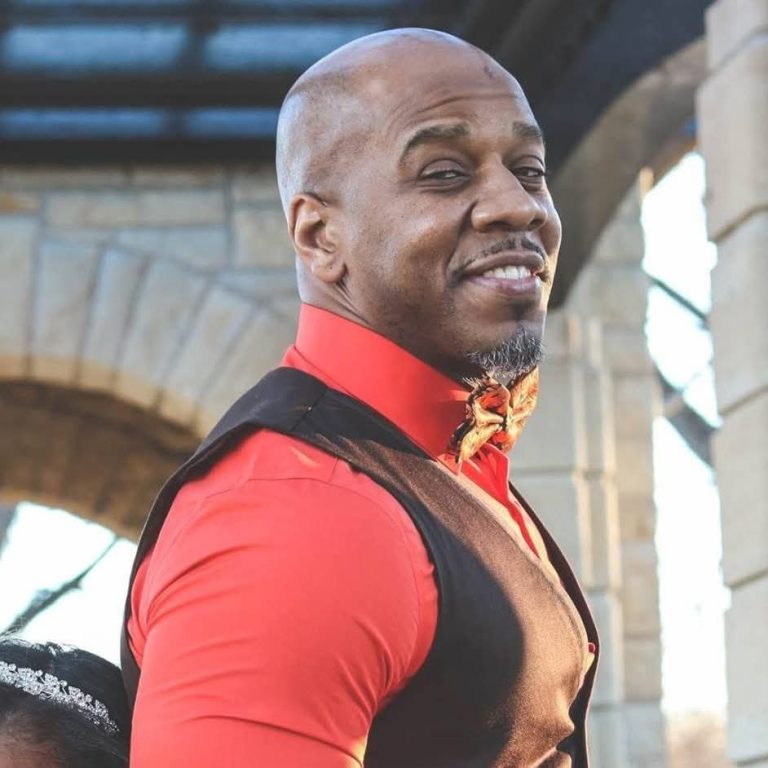
Elisha A. Barren Sr.
Community Engagement Trainer | Group Facilitator | Trauma-Informed Practitioner
Elisha A. Barren Sr. is a community-engaged practitioner and virtual trainer with over a decade of experience supporting individuals, families, and frontline professionals across a wide range of community-based settings. His work focuses on strengthening engagement, improving group dynamics, and equipping practitioners with practical, trauma-responsive strategies that can be applied with both youth and adults.
Throughout his career, Elisha has facilitated groups and provided direct support to individuals impacted by substance use, mental health challenges, community violence, and justice involvement. His experience spans work with troubled youth, young adults, and adults in outreach, mentoring, therapeutic, and educational environments. These experiences shape a training style that blends evidence-informed concepts with lived understanding of real-world community dynamics.
Elisha is known for his ability to establish trust, navigate resistance, and create environments where participants feel both supported and challenged. His approach emphasizes clarity, ethical presence, cultural responsiveness, and accountability. Rather than relying on rigid models, he focuses on helping practitioners understand how engagement works across developmental stages, why it breaks down, and how to adapt their approach to different populations and settings.
As a virtual trainer, Elisha delivers structured, interactive sessions designed to engage learners across age groups and professional roles. His trainings combine reflective discussion with practical skill-building, ensuring participants leave with tools they can immediately apply in group, outreach, and community-based work. Core topics include engagement strategies, group dynamics, boundaries, trauma-responsive interaction, and professional sustainability.
Elisha believes meaningful community work begins with relationships that are intentional, respectful, and grounded in consistency. His training philosophy centers on strengthening the human connection at the heart of service delivery while honoring the complexity of working with youth, adults, and families in community settings.
Training Focus Areas
- Community engagement and relationship-based practice
- Trauma-responsive interaction with youth and adults
- Group facilitation and dynamics
- Navigating resistance and disengagement
- Ethical boundaries and professional presence
- Cultural responsiveness
- Communication strategies for community-based work